The Complete Beginner’s Guide to Training for Your First Triathlon
There’s something special about signing up for your first triathlon.
Maybe it starts with curiosity. Maybe it’s a challenge you never thought you’d attempt. Or maybe you simply want to see what your body and mind are capable of when pushed beyond comfort.
At WYN republic, we’re surrounded by athletes at every level of the sport, from world-class professionals racing the biggest stages in triathlon to everyday athletes balancing training with work, family, and life. That mix of experience is what makes the triathlon community so unique!
For this guide, we wanted to bring together both perspectives:
- Advice from professional triathlete Hannah Berry
- Real-world insight from WYN team member and age-group athlete Alex, who has completed multiple IRONMAN® 70.3 and full-distance races while balancing everyday life and work.
If you’re training for your first triathlon, this is the guide we wish every beginner had.
1. Focus on Consistency Before Anything Else
One of the biggest misconceptions beginners have is thinking they need massive training volume immediately.
According to Hannah Berry, the priority should be much simpler.
“Consistency. Aiming to incorporate regular training that works with your schedule is the first place to start. Both volume and technique will come in time, but firstly aiming to find a training routine that works for you will get you underway.”
The best training plan is the one you can realistically stick to.
You do not need:
- 20-hour training weeks
- expensive gear immediately
- elite-level fitness
You need consistency over time. A few manageable sessions each week will always beat an unrealistic plan that leads to burnout after two weeks!

2. Don’t Train Easy Days Too Hard
This is one of the most common mistakes first-time triathletes make.
“Doing the easy training too hard,” Hannah explains. “Easy training should be at a comfortable conversational pace or effort, allowing the hard work to be genuinely hard once that is incorporated in.”
Beginners often think every session needs to feel exhausting to count.
It doesn’t.
Easy sessions are what allow your body to recover, adapt, and build endurance. Training too hard too often is one of the fastest ways to plateau or get injured.
3. You Don’t Need the Most Expensive Gear to Start
Triathlon can absolutely become an equipment-heavy sport, but your first race doesn’t require the most advanced setup.
Alex puts it simply:
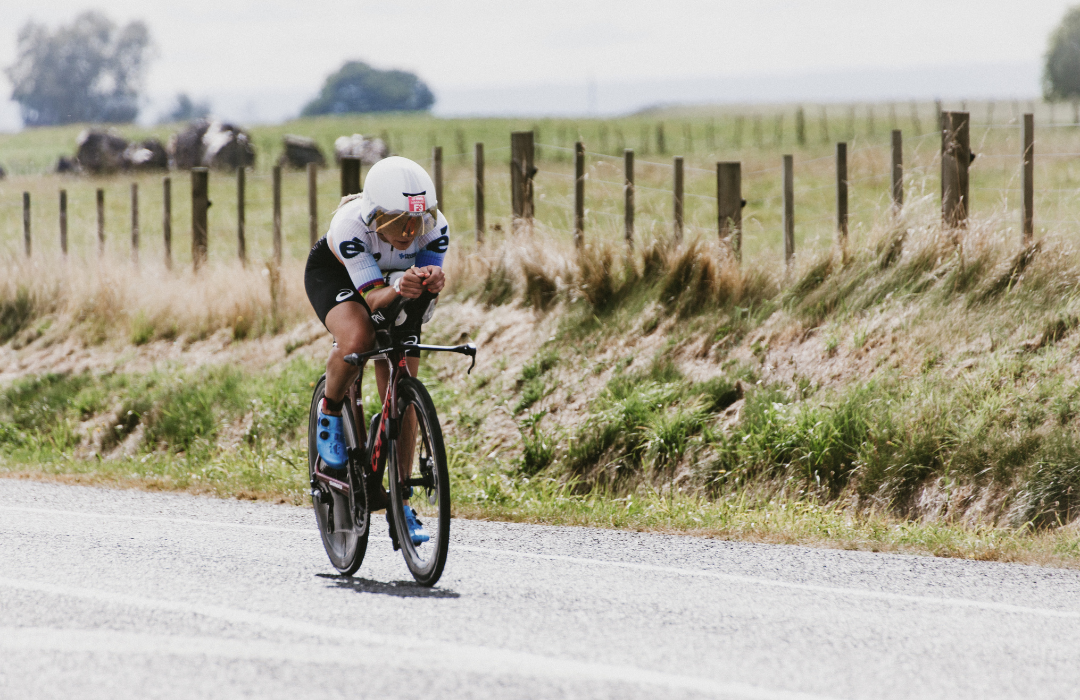
“A cheaper bike will do just fine for your first triathlon. As long as you can train on it, are comfortable and can race.”
A road bike is more than enough for beginners.
You can always upgrade later as your goals evolve, but the most important thing early on is getting comfortable riding consistently.
The same applies to race apparel. Your first triathlon kit should prioritize comfort, functionality, and confidence.
For beginners, WYN republic’s most popular entry-level tri suits are designed to help athletes feel race-ready without overcomplicating things:
- The Velocity Sleeveless Triathlon Suit offers breathable comfort, flexibility, and easy transitions.
- The Hi Velocity X Tri Suit adds enhanced aerodynamics and additional storage for longer-course racing.
Both are designed to help athletes focus on racing, not adjusting uncomfortable gear all day.
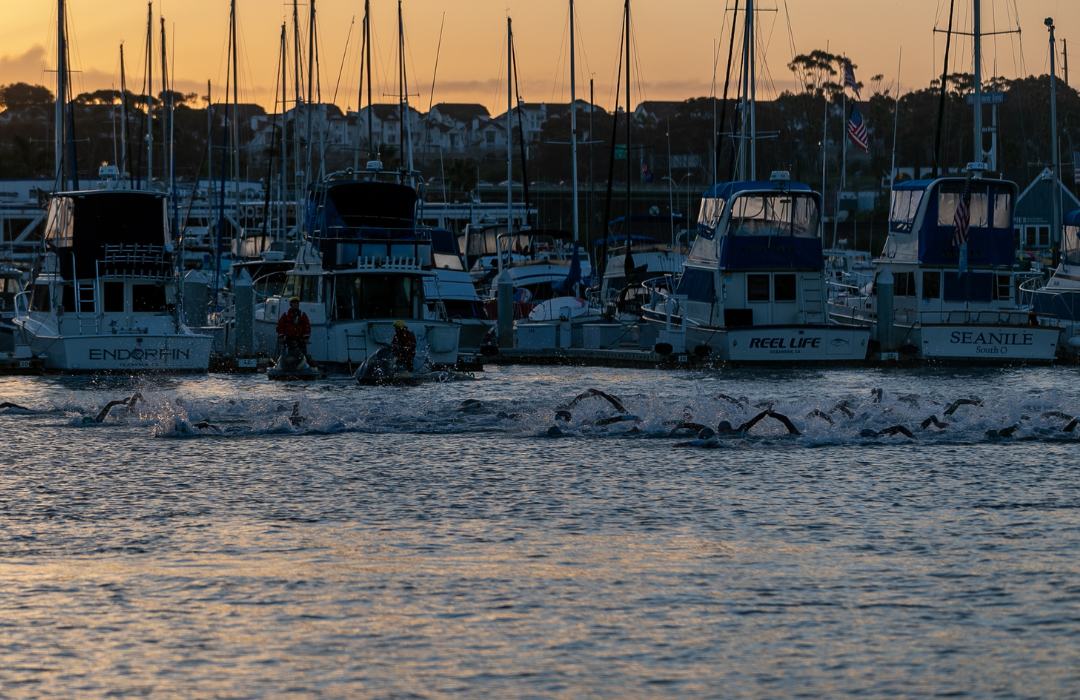
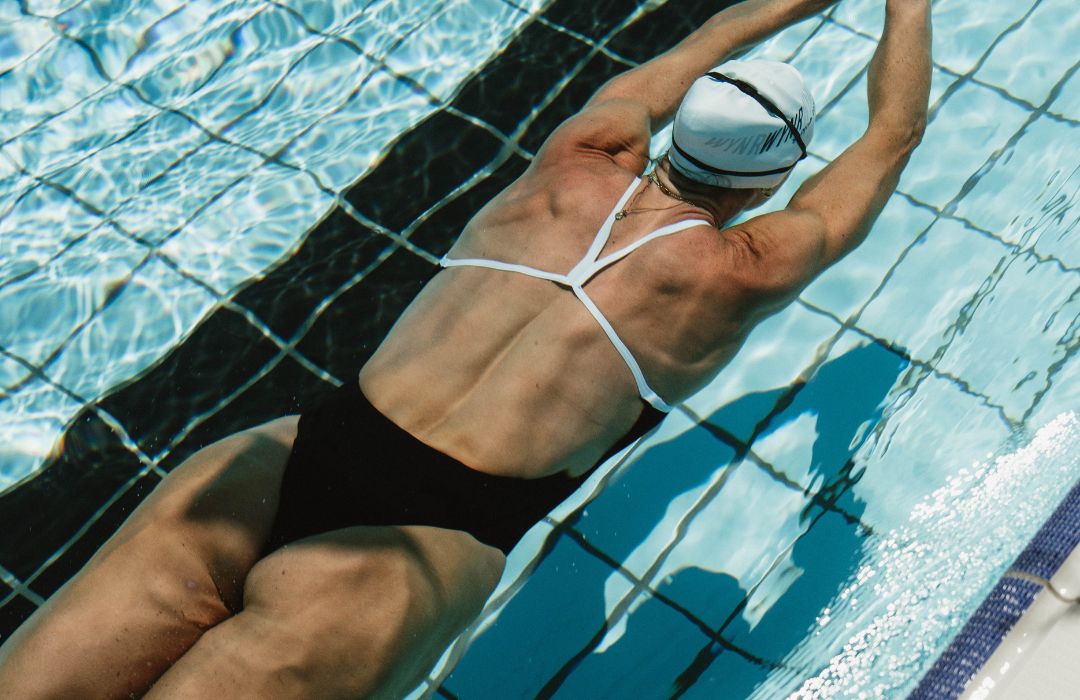
4. Swimming Technique Matters More Than Speed Early On
For many beginners, swimming feels like the most intimidating discipline.
Alex believes the biggest priority early on should be technique:
“If very new to swimming, it’s super helpful to take a lesson or watch intro videos to improve technique before diving into the distances.”
Unlike running or cycling, swimming is heavily technique-driven. Improving body position, breathing, and efficiency can make a massive difference before fitness even becomes the limiting factor.
And importantly:
“Open water swimming can be intense at first if you aren’t used to it.”
Pool swimming and race-day swimming are very different experiences. Practicing in open water before race day can help reduce anxiety and improve confidence.

5. Nutrition Is the Fourth Discipline
One of the biggest learning curves for first-time triathletes is understanding fueling.
You can have the fitness to finish, but without proper nutrition, race day can unravel quickly.
Alex explains:
“When getting started, it’s good to use training sessions to see what nutrition you like and what your stomach can handle.”
Every athlete responds differently to:
- gels
- hydration mixes
- chews
- sodium intake
- caffeine
That’s why practicing nutrition during training is critical.
And one golden rule:
“Try not to consume new or unknown nutrition on race day.”
Your stomach is not the place for experimentation at mile 40 of the bike ride!

6. Recovery Is Part of Training
Beginners often focus entirely on workouts while ignoring recovery.
But recovery is where progress actually happens.
Hannah emphasizes the importance of listening to your body:
“Schedule easier days or rest days to allow for recovery and if you start to feel too tired or rundown, take a day off.”
She also highlights the two biggest recovery tools available to every athlete:
- Sleep
- Proper nutrition
Simple habits matter more than complicated recovery routines.
7. Strength Training Helps More Than You Think
Triathlon isn’t just cardio.
Strength training helps:
- improve durability
- reduce injury risk
- support better posture and efficiency
- increase power output
Alex notes:
“Triathlon is a pretty demanding sport on the body, so building strong muscles/tendons/joints will help increase your tolerance to the load.”
You don’t need to become a powerlifter, but adding even 1–2 strength sessions per week can make a major difference.

8. Brick Workouts Matter
One thing Alex wishes he had prioritized more before his first long-distance race?
Brick sessions.
A brick workout combines two disciplines back-to-back, most commonly cycling followed immediately by running.
“You can train all you like for the individual disciplines, but putting them all together one after another was a different beast.”
That heavy-legged feeling during the run surprises almost every first-time triathlete. Practicing bricks helps your body adapt to the transition.
9. Burnout Happens When You Rush the Process
New athletes are often highly motivated, which is great until they try to progress too quickly.
Hannah recommends building gradually:
“Aim for long-term progress across many weeks and months and worry less about skipped sessions or days if your body needs rest to recover.”
Fitness takes time.
Trying to force rapid progress usually leads to:
- injury
- fatigue
- mental burnout
- inconsistency
The athletes who improve the most are usually the ones who stay patient!

10. Remember Why You Started
At its core, your first triathlon should be exciting.
Yes, there will be nerves.
Yes, there will be hard sessions.
Yes, race morning may feel overwhelming.
But you are doing something incredibly rewarding.
Alex shared one of the biggest surprises from his first race experience:
“I wish I knew how low stress it was actually going to be on race day. We’d trained for months for this, and it was finally time to do our thing.”
Once the race starts, everything simplifies.
Swim. Bike. Run.
And before you know it, you’ll be heading down the finish chute realizing you’re capable of far more than you originally believed!

Final Thoughts
Triathlon can feel intimidating from the outside.
But every experienced athlete, every professional, every age grouper, every IRONMAN finisher, started exactly where you are now.
The key is not perfection. It’s showing up consistently, learning as you go, and enjoying the process along the way.
At WYN republic, we believe the sport is for everyone, from first-timers chasing a finish line to professionals chasing podiums.
And no matter where you’re starting, your journey into triathlon is worth celebrating!